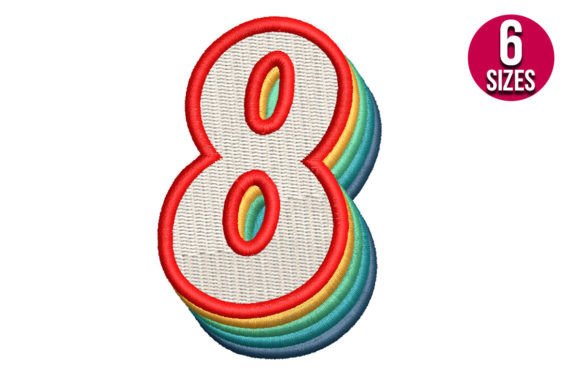
Retro Number Eight: A Craft Fair Seller’s Review
As an embroidery designer who has spent countless weekends standing behind booth tables, I have learned that not every design translates from the screen to the sales floor. When I first loaded the Retro Number Eight machine embroidery design into my software, I was looking for more than just aesthetic appeal. I was looking for a workhorse—a design that could carry a product line through the busy birthday season while remaining practical for batch production. This review breaks down how this colorful, retro-inspired digitization performs in the real world of handmade markets and online shops.
First Impressions: Bold, Playful, and Market-Ready
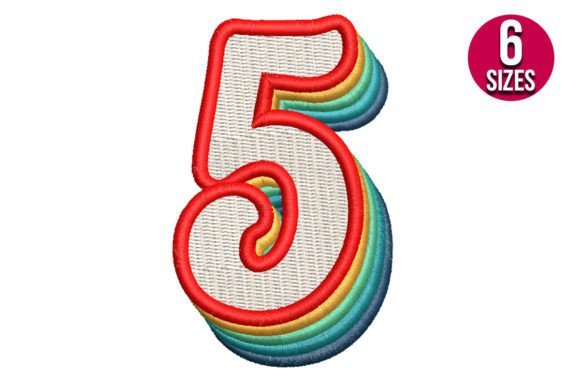
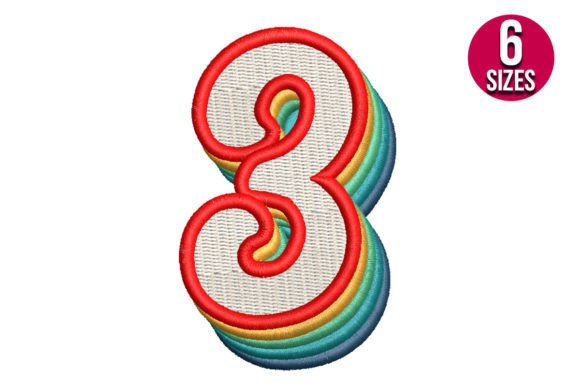
The immediate vibe of Retro Number Eight is undeniably cheerful. It does not try to be subtle or minimalist. Instead, it leans into a bold, vintage aesthetic that screams celebration. For craft fair sellers, this is a crucial advantage. In a crowded aisle, customers scan tables quickly. A design that is too delicate often gets lost, but a bold, colorful number eight grabs attention from three feet away. It feels festive without being childish, making it versatile enough for adult birthdays, milestone celebrations, or even playful home decor.
The description promises that it looks fantastic on everything, and visually, the geometry supports this claim. The lines are clean, and the color blocking suggests a modern retro style that pairs well with current trends in home goods and apparel. It is not overly ornate, which means it avoids the clutter that can sometimes plague complex embroidery files.
Product Versatility: From Tote Bags to Tea Towels
To truly evaluate a digital embroidery file, you must imagine it on various substrates. Here is how Retro Number Eight performs across key craft fair products:
- Tote Bag Design: This is arguably the strongest application. A large hoop size allows the number to take center stage on canvas or cotton totes. The bold strokes hold up well against the textured weave of standard market bags, creating a high-contrast look that photographs beautifully for your Etsy seller listings.
- Apron Embroidery: Placing this design on the bib of a kitchen apron creates an instant gift item. It feels personal and fun. However, ensure the placement is centered and high enough to avoid interference with pockets or ties.
- Tea Towel Embroidery: Kitchen textiles are staples at handmade markets. Because tea towels have a distinct fabric texture, you must check the stitch density. If the design is too dense, it may pucker the thin linen or cotton. A lighter stabilizer is essential here to maintain a flat, professional finish.
- Embroidered Patch: Creating iron-on or sew-on patches is a great way to use up thread scraps. Retro Number Eight works well as a patch because the shapes are distinct. Just be mindful of the edges; a satin stitch border might be necessary to prevent fraying if you are cutting them out individually.
- Caps and Curved Surfaces: Embroidering on curved cap surfaces requires caution. If the design is wide, it may distort on the front panel of a baseball cap. I recommend testing a smaller version or ensuring the design fits within the narrow hoop constraints typical for headwear.
Production Practicality for Small Shop Owners
For those of us running a small shop product line, time is money. The efficiency of a design determines whether it is a hobby project or a viable commercial embroidery asset. Retro Number Eight appears to be designed with production in mind. The lack of excessive tiny details means fewer thread breaks and less trimming time. This makes it ideal for batch production, where you might need to stitch out twenty tote bags before a weekend fair.
Photography is another critical factor. This design’s colorful nature pops in natural light, reducing the need for heavy editing in your printable mockup or final product photos. High-contrast images drive clicks for digital sellers and physical buyers alike. When customers can clearly see the quality of the stitch work from a thumbnail image, conversion rates tend to improve.
Careful-Use Notes and Technical Considerations
While the design is robust, there are technical nuances to consider before you start stitching. Always review the stitch density in your embroidery software. If the color blocks are filled with very tight stitches, you may experience puckering on lightweight fabrics like voile or thin cotton. Conversely, on thick fabric like denim or canvas, the design should sit nicely, provided you use the correct stabilizer.
Dark fabric presents a common challenge. If you plan to offer this on navy or black items, ensure the thread colors have enough contrast. You may need to adjust the thread palette in your machine to ensure the "retro" colors do not blend into the background. Additionally, if the design includes any small lettering or intricate inner details, verify that they remain clear at smaller sizes. A design that looks crisp at six inches may become a muddy blob at two inches.
Enhancing Brand Consistency and Buyer Engagement
Incorporating Retro Number Eight into your lineup can strengthen your brand identity if you position it correctly. It signals that your brand is fun, modern, and attentive to detail. For booth display strength, consider grouping all "birthday" items together. Use the design on pillow covers, market bags, and small pouches to create a cohesive visual theme. This repetition helps buyer engagement, as customers begin to recognize your signature style.
Furthermore, this design serves as an excellent entry point for custom orders. A customer might buy a pre-made item featuring the number eight but then ask if you can do their lucky number or initial in the same style. Having a proven, popular design assets library allows you to upsell personalized services easily.
Designer’s Checklist Before You Sell
Before listing this as a finished product or including it in your commercial embroidery catalog, follow these practical steps:
- Test on Scrap Fabric: Never skip the test stitch. Run the design on the exact fabric type you intend to sell. Check for pulls, gaps, or registration issues.
- Check Thread Contrast: Ensure your chosen thread colors stand out against the fabric background. Swap colors if necessary to enhance visibility.
- Review Spacing and Hoop Size: Confirm that the design fits comfortably within your standard hoop size without hitting the edges. Leave ample margin for hooping errors.
- Inspect Stitch Density: If the design feels stiff after stitching, reduce the density in your software or switch to a lighter cut-away stabilizer.
- Create a Real Mockup: Photograph the actual stitched item rather than relying solely on digital renderings. Authenticity builds trust with handmade product buyers.
- Confirm Commercial Licensing: The product description mentions multiple embroidery file formats, but it is vital to read the specific license terms. Ensure you have the right to sell finished products made with this digital embroidery file, especially if you are an Etsy seller or boutique maker.
Retro Number Eight is a strong contender for any embroidery business owner looking to expand their Birthdays category. It balances visual appeal with production efficiency, making it a smart choice for both physical craft fairs and online stores. By paying attention to fabric texture, stabilizer choice, and thread contrast, you can turn this simple design into a best-selling staple of your handmade inventory.