Baby Duck Applique: A Craft Fair Best-Seller Review
As an embroidery designer who has spent countless weekends behind a booth table, I know that not every design translates from the screen to the sales floor. When I first loaded the Baby Duck Applique into my software, I was looking for more than just cuteness; I was looking for commercial viability. This design sits squarely in the popular Baby Animals category, but its true potential lies in how it performs as a tangible Embroidery product. After stitching out several samples and imagining them in a bustling market environment, I have formed a clear opinion on where this design shines and how you can leverage it for your handmade business.
First Impressions and Visual Appeal
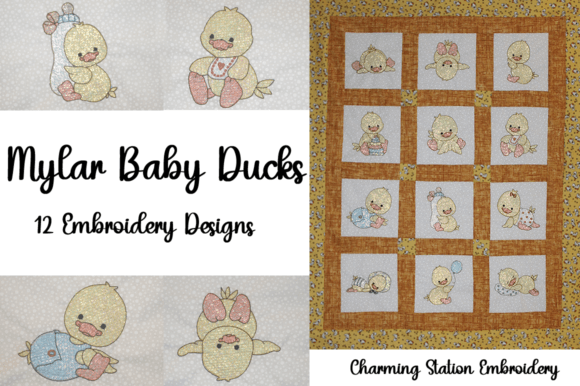
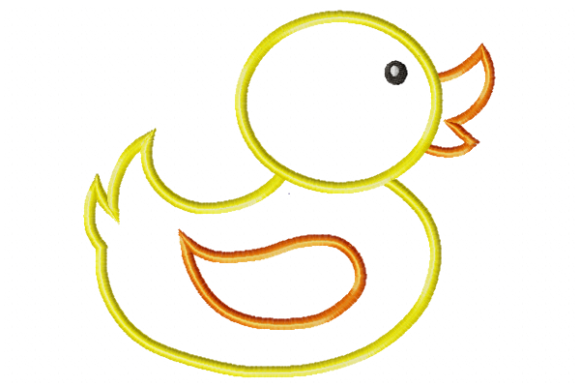
The immediate reaction to the Baby Duck Applique is one of softness and charm. It does not try to be overly complex or hyper-realistic. Instead, it offers a stylized, approachable aesthetic that feels both modern and timeless. For craft fair sellers, this is crucial. Customers walking past your booth have only seconds to decide if they will stop. A design that is too busy can look cluttered from a distance, while something too minimal might get lost. This duck strikes a balance. It feels decorative yet premium, avoiding the cheap look that sometimes plagues mass-produced items.
The applique technique itself is a major selling point. By incorporating fabric pieces into the design, you add texture and dimension that flat stitching cannot achieve. This tactile quality invites customers to touch the item, which is often the first step toward a sale. Whether you view it as funny, cute, or simply sweet, the emotional connection is instant. It screams "gift," which is exactly what holiday shoppers and baby shower attendees are hunting for.
Product Versatility for the Handmade Market
One of the strongest attributes of this machine embroidery design is its adaptability. I tested the concept across various small shop product categories, and the results were promising. Here is how it performs on key items:
- Tote Bag Design: Placed centrally on a canvas tote, the duck becomes a focal point. It transforms a generic bag into a statement piece for parents or teachers.
- Apron Embroidery: On a child’s kitchen apron, the design adds a playful touch that encourages imaginative play. It holds up well against the frequent washing these items endure.
- Tea Towel Embroidery: This is perhaps the highest volume seller. The contrast of the applique fabric against white or pastel linen looks crisp and clean. It elevates a simple towel into a boutique-quality home good.
- Embroidered Patch: If you offer iron-on or sew-on patches, this design is ideal. It allows customers to customize their own jackets or bags, expanding your reach beyond finished goods.
- Caps and Hats: While possible, curved surfaces require careful hooping. The design works best if kept slightly smaller to avoid distortion on the front panel.
For Etsy sellers and digital sellers, this versatility means you can create multiple printable mockup listings from a single digital embroidery file. You are not limited to one niche; you can target nursery decor, kitchenware, and wearable accessories simultaneously.
Production Practicality and Batch Efficiency
When preparing for a craft fair, time is money. You need designs that are repeatable and reliable. The Baby Duck Applique appears to be structured for efficiency. Applique designs generally use less thread than full-fill satin stitches, which reduces thread breaks and production time. However, you must manage the workflow carefully. You will need to stitch the placement line, pause to place the fabric, tack it down, and then finish with the border stitch.
This process is perfect for batch production if you organize your station correctly. Pre-cut your applique fabrics in bulk before you start stitching. This assembly-line approach ensures that your booth samples and inventory are ready without last-minute stress. The design feels robust enough to withstand the rigors of commercial embroidery, provided you dial in your tension correctly.
Technical Considerations and Careful Use
While the design is user-friendly, there are technical nuances to consider. Always check the stitch density in your software. If the border stitches are too dense, they may cause puckering on lightweight fabrics like voile or thin cotton. Conversely, on thick fabric like terry cloth towels, ensure your stabilizer is strong enough to support the weight of the applique fabric and the stitching.
Be mindful of tiny details. If the duck’s eye or beak involves very small satin stitches, they may lose clarity if you scale the design down too far. Test different hoop sizes to find the sweet spot where the details remain crisp but the overall footprint fits your product. For dark fabric, choose high-contrast thread colors and bright applique fabrics to ensure the design pops. A yellow duck on navy blue is striking; a pale yellow duck on white may vanish.
Enhancing Brand Consistency and Buyer Engagement
Using a cohesive design like Baby Duck Applique helps build brand recognition. If your shop specializes in gentle, nature-inspired themes, this design assets fits perfectly. It reinforces a narrative of quality and care. When customers see consistent quality across your tote bags, pillows, and pouches, they perceive higher value. This perception allows you to price your handmade products competitively while maintaining healthy margins.
To maximize engagement, display your finished product strategically. Do not just lay items flat. Hang the aprons, fold the towels to show the design prominently, and stuff the tote bags so they hold their shape. Visual appeal drives impulse buys. A well-stitched duck on a textured linen pillow cover suggests comfort and luxury, encouraging buyers to imagine it in their own homes.
Designer Notes for Final Production
Before you commit to a large run, follow these professional steps:
- Test on Scrap Fabric: Never skip the test stitch. Use the exact fabric and stabilizer combination you plan to sell.
- Check Thread Contrast: Ensure the border thread stands out against the applique fabric. Monochromatic looks can be elegant but risky if the lighting is poor.
- Review Spacing: Make sure there is adequate space between the applique edge and the border stitch to prevent trimming errors.
- Confirm Commercial Licensing: The product description mentions multiple embroidery file formats, but always verify the license terms. Ensure you have the right to sell finished products made with this digital embroidery file.
- Create Real Mockups: Photograph your actual stitched items for your online listings. Real photos convert better than digital renders for handmade goods.
In conclusion, the Baby Duck Applique is a strong contender for any embroidery business owner looking to expand their Baby Animals collection. It balances aesthetic charm with production practicality. By paying attention to fabric texture, stabilizer choice, and presentation, you can turn this simple design into a standout craft fair product that delights customers and boosts your sales.