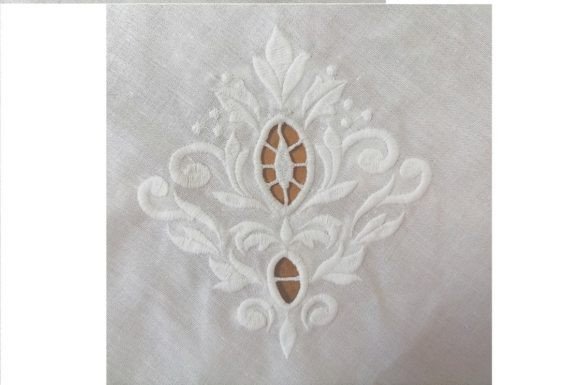
Review: Monogram Damascus Richelieu for Real Projects
When I first pulled up the Monogram Damascus Richelieu file on my screen, I wasn’t just looking at a digitized pattern; I was visualizing the final texture against fabric. As a designer who has spent years troubleshooting puckering hems and broken needles, I approach every new machine embroidery design with a mix of curiosity and caution. This particular piece belongs to the Intricate Cuts category, which immediately signals that it is not a beginner-friendly fill stitch exercise. It demands respect, precision, and the right materials.
The Aesthetic Appeal and Visual Personality
The immediate impression this design creates is one of refined elegance. The Damascus influence brings a sense of historical depth, while the Richelieu technique—characterized by its openwork and cutwork elements—adds a delicate, lace-like quality. Unlike bold, modern logos that rely on heavy satin stitches, this design breathes. It feels airy yet structured. For an Etsy seller or a boutique owner, this visual personality translates directly into perceived value. It doesn’t look like a mass-produced iron-on patch; it looks like a bespoke detail added by hand, even though it is stitched by machine.
I found myself imagining this design on a high-end linen tote bag or a crisp cotton apron. The single-color execution is a smart choice here. By removing the complexity of color changes, the focus shifts entirely to the interplay of light and shadow created by the stitch density and the negative space. This makes it incredibly versatile for custom apparel where branding needs to be subtle rather than loud.
Real-World Application: The Linen Tote Test
To truly evaluate an embroidery file, you have to move beyond the digital preview. I recently considered using Monogram Damascus Richelieu for a line of personalized gifts for a local bridal shop. The client wanted something sophisticated for tote bags that would serve as wedding party gifts. This was the perfect real-life scenario to test the design’s limits.
The product description advises using natural fabrics like linen or cotton with a not-too-tight weave. This is critical advice. When I tested the design on a synthetic blend, the intricate cuts didn’t open up properly, and the fabric resisted the necessary tension. However, on a medium-weight natural linen, the result was stunning. The fabric’s texture complemented the organic flow of the Damascus pattern. The finished product had a tactile quality that customers could feel before they even saw the detail. For a craft business, this tactile engagement is what converts browsers into buyers.
Technical Considerations for Stitching Success
While the aesthetic is forgiving, the technical execution requires diligence. Because this design falls under Intricate Cuts, it likely involves areas where the fabric is cut away or where dense stitching meets open spaces. Here are the practical notes I jotted down during my review:
- Fabric Selection is Non-Negotiable: Stick to the recommendation of natural fibers. Linen and cotton allow the needle to penetrate cleanly without pushing fibers aside, which can distort delicate details. Avoid stretchy knits unless you are an expert in stabilization, as the cutwork elements may cause the fabric to warp.
- Stabilizer Choice: Do not skimp on stabilizer. For a design with this level of detail, a cut-away stabilizer is often safer than tear-away, especially if the item will be washed frequently. The stability ensures that the stitch density remains consistent and the edges of the cutwork stay sharp.
- Thread Contrast: Since it is embroidered in one color, your thread choice defines the visibility. A matte cotton thread blends beautifully for a vintage look, while a glossy rayon thread highlights the sheen of the satin stitches. Test both on scrap fabric before committing to the final embroidery project.
- Hoop Size and Placement: Ensure your hoop size accommodates the full design without distortion. If you are placing this on a curved surface like a cap, be aware that the intricate details might compress. It is best suited for flat surfaces like pillow covers, tea towels, or the chest area of a sweatshirt.
Navigating Potential Pitfalls
Every design has its weak points, and honesty is key when reviewing design assets for commercial use. With Monogram Damascus Richelieu, the primary concern is the durability of the fine details. If this is intended for a baby embroidery item or a kitchen towel that will see heavy use and frequent washing, you must ensure the stitch connections are secure. Tiny, isolated elements in cutwork designs can sometimes snag or pull out if not properly anchored.
Additionally, avoid using this on very dark fabrics if you are using a light thread, or vice versa, without testing first. The contrast can sometimes make the background fabric visible through the openwork in a way that looks messy rather than intentional. A quick test in black and white mockups can help you visualize how the thread colors will interact with the fabric texture.
Commercial Viability and Brand Consistency
For small shop owners and digital product sellers, the versatility of this design is a major asset. It fits seamlessly into various niches: from holiday embroidery on ornate ornaments to sophisticated wedding gifts. Because it is a monogram style, it invites personalization, which is a huge driver for sales in the handmade market. Customers love seeing their initials rendered in such an elegant format.
However, always verify the licensing terms. The description mentions it comes with multiple embroideries, but it does not explicitly state commercial rights. Before selling finished products or using this in client work, confirm that your license allows for commercial use. This protects your business and maintains professional integrity.
Final Verdict
Monogram Damascus Richelieu is not just a pretty picture; it is a tool for elevating simple goods into heirloom-quality items. It performs best when treated with the care it deserves: proper fabric selection, adequate stabilization, and thoughtful placement. For designers looking to add a touch of classic sophistication to their custom apparel or home decor lines, this design is a strong contender. It bridges the gap between traditional craftsmanship and modern efficiency, offering a personalized gift option that feels timeless.
Remember, the success of any machine embroidery design lies in the execution. Take the time to stitch out a sample, adjust your tension, and let the natural beauty of the fabric shine through the intricate cuts. When done right, the result is not just an embroidered item, but a piece of art that speaks to the quality of your brand.