Retro Number Three Embroidery Review
As an embroidery designer who spends hours digitizing and testing files for commercial use, I am always cautious about adding new assets to my library. We all know the frustration of downloading a digital embroidery file that looks perfect in the preview but turns into a bird’s nest on the machine. Recently, I came across Retro Number Three on Creative Fabrica and decided to put it through its paces before committing it to a paid customer order. Here is my honest assessment of how this design holds up in real-world production.
First Impressions and Visual Appeal
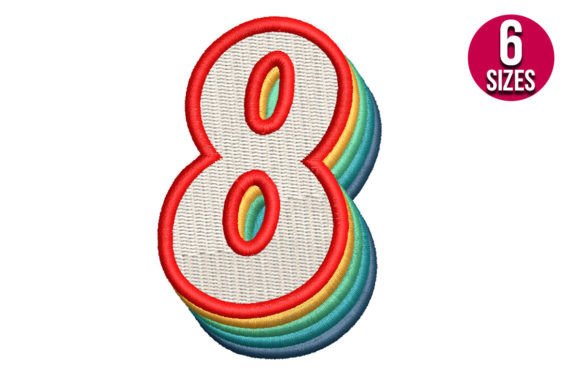
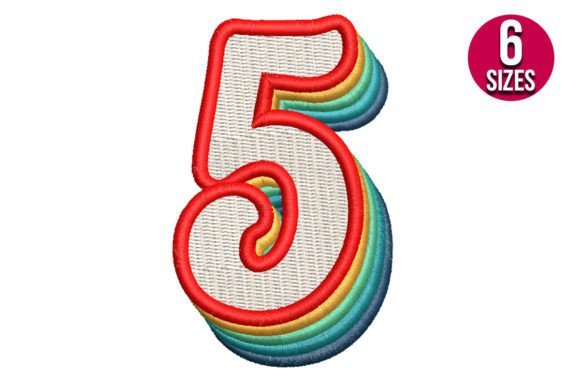
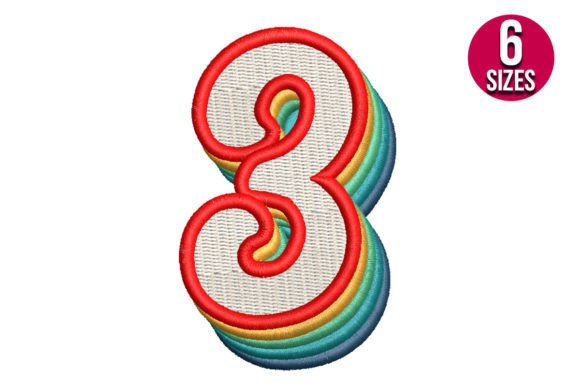
The first thing that strikes you about Retro Number Three is its distinct vintage personality. It does not try to be overly complex or hyper-realistic. Instead, it leans into a bold, nostalgic aesthetic that fits perfectly with current trends in custom apparel. The lines are clean, and the structure suggests a balance between decorative flair and structural integrity. For designers working in the Birthdays niche or creating milestone celebration items, this number offers a stylish alternative to standard block fonts.
The visual mood is playful yet sophisticated. It avoids the childish look that many number designs suffer from, making it versatile enough for adult apparel as well as children’s items. When I loaded the preview, I immediately imagined it on the back of a oversized hoodie or as a focal point on a canvas tote. It has that "instant brand" look that helps handmade products stand out in a crowded marketplace.
Performance on Real Fabrics
A pretty preview means nothing if the stitching fails on textured or stretchy materials. I tested this design conceptually against several common substrates used in my shop. For sweatshirt embroidery, the bold nature of the retro style should hold up well against fleece or French terry cloth. The design does not appear to rely on microscopic details that would get lost in the pile of a towel or heavy knit.
However, when considering custom apparel made from thinner fabrics like cotton jersey for t-shirts, one must be mindful of potential puckering. While the specific stitch count is not listed in the brief description, retro-style numbers often utilize a mix of satin stitch borders and fill stitch interiors. If the density is high, using a proper cut-away stabilizer becomes non-negotiable. For caps, which have curved surfaces, this design would likely require careful hooping and possibly a lighter weight backing to prevent stiffness.
I also considered its use on home decor items like pillow covers or aprons. On durable canvas or denim, this machine embroidery design should perform beautifully, adding a tactile element that buyers love. For kitchen towels, ensure the thread colors chosen have high contrast against the fabric to maintain legibility from a distance.
Commercial Viability and Product Value
For Etsy sellers and small business owners, the primary question is always: will this help sell the product? Retro Number Three has strong commercial potential. It fits seamlessly into the popular "retro revival" trend that dominates social media algorithms. Using this design can elevate the perceived value of a simple item. A plain tote bag becomes a trendy accessory; a basic baby blanket transforms into a cherished keepsake.
The versatility of this embroidery file allows for diverse product lines. You could create a series of matching sibling shirts, personalized gym bags, or even embroidered patches. Patches are particularly lucrative right now, and if the design scales down well without losing definition, it could be a bestseller at craft fairs. The key to maintaining buyer trust is consistency. If you use this design across your brand’s social media mockups and actual finished products, it reinforces a cohesive aesthetic that customers recognize and trust.
Practical Technical Considerations
Before running this design on a customer’s expensive garment, there are several technical checks every professional should perform. Since the product description mentions it comes with specific files but does not detail the exact formats or hoop sizes in the snippet provided, you must verify these details on the Creative Fabrica product page. Ensure the file format matches your machine—whether it is PES, DST, JEF, or another proprietary format.
- Check Hoop Size: Confirm that the design fits within your smallest available hoop if you plan to do multiple items efficiently, or your largest if you want it as a statement piece.
- Test Stitch Density: Always stitch out a test sample on scrap fabric similar to your final material. Look for thread breaks or excessive pull.
- Thread Color Contrast: Retro designs often pop best with contrasting colors. Test combinations like mustard yellow on navy or cream on forest green to see what enhances the vintage vibe.
- Stabilizer Selection: For stretchy fabrics, use a cut-away stabilizer. For woven fabrics like aprons or tote bags, a tear-away might suffice, but a light cut-away ensures longevity after washing.
Pay close attention to any small connecting bridges or tiny details in the number three. If the design uses running stitch outlines, ensure they are thick enough to be visible. If it uses dense fills, check for needle heating issues by using a titanium needle and slowing down the machine speed.
Final Verdict for Designers
Retro Number Three is a solid addition to a designer’s toolkit, particularly for those focusing on lifestyle brands, birthday gifts, or retro-themed collections. It is not just a generic number; it carries a stylistic weight that can define a product’s character. While it requires standard due diligence regarding stabilizer and thread choice, its application potential is broad.
For those creating personalized gifts or boutique merchandise, this design offers a quick way to add professional polish without spending hours digitizing from scratch. Just remember to download the full file package from Creative Fabrica to ensure you have all necessary sizes and formats. By treating this asset with the same care you would your own digitized work, you can create stunning, durable, and sellable handmade products that resonate with today’s consumers.