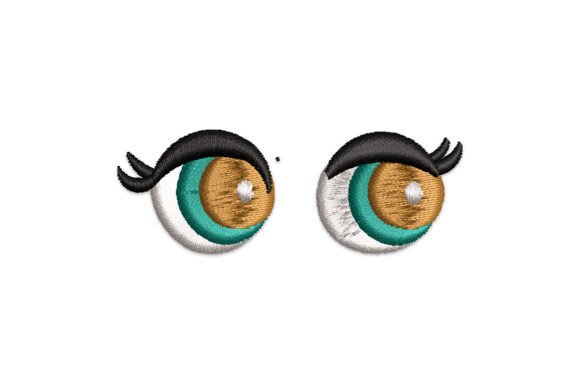
Reviewing Eyes for Toys Dolls for Craft Fair Success
As an embroidery designer who has spent countless weekends behind a booth table, I have learned that not every machine embroidery design translates into a bestseller. Some designs look beautiful on a screen but fail to capture attention in a crowded marketplace. Recently, I downloaded the Eyes for Toys Dolls file to evaluate its potential for my upcoming seasonal craft fair run. My goal was simple: determine if this specific embroidery file could elevate my handmade product line and drive sales among browsers looking for unique, giftable items.
First Impressions and Aesthetic Appeal
The first thing you notice about Eyes for Toys Dolls is its inherent charm. The description promises cute eyes that help create adorable designs, and upon loading the preview, the aesthetic feels undeniably playful and soft. It does not lean toward the rustic or farmhouse trends that have dominated the market for years; instead, it offers a modern, whimsical vibe that appeals to parents, grandparents, and anyone with a fondness for nostalgic playroom decor. For a craft fair product, this emotional connection is vital. Customers do not just buy stitching; they buy the feeling of warmth and creativity that the item evokes.
When considering where this design fits, it is versatile. It is not overly complex, which means it reads well from a distance. In a busy booth environment, clarity is king. If a customer cannot understand what they are looking at within three seconds, they keep walking. These eyes are bold enough to be seen but detailed enough to reward a closer look, making them ideal for engaging buyer interest.
Product Applications for Maximum Sales
To truly test the viability of Eyes for Toys Dolls, I imagined applying it across various substrates commonly sold by Etsy seller accounts and boutique makers. The versatility of this design allows it to shine in several key categories.
- Tote Bag Design: Placing these eyes on a canvas tote creates an instant character. It transforms a utilitarian item into a fun accessory for school or grocery runs. The contrast of thread against natural cotton canvas is striking and photographs beautifully for online listings.
- Apron Embroidery: Children’s aprons are a staple in handmade shops. Adding these eyes to the bib area creates a focal point that kids love. It turns a standard kitchen item into a cherished keepsake.
- Tea Towel Embroidery: While traditional towels often feature florals, a whimsical eye design adds a pop of personality. However, one must be cautious with fabric texture. Terry cloth can obscure small details, so this design works best on flat-woven linen or cotton blends.
- Embroidered Patch: This is perhaps the strongest application. Patches are low-risk, high-volume small shop product items. They allow customers to customize their own jackets or bags later, increasing the perceived value of the purchase.
- Pillow Covers and Pouches: For home decor, these eyes add a touch of whimsy to throw pillows. For accessories, small fabric pouches featuring this design make excellent impulse buys at the checkout counter.
Production Practicality and Batch Efficiency
For those of us running a commercial embroidery side hustle, time is money. A design that takes forty-five minutes to stitch is rarely profitable for small goods. While the exact stitch count and hoop size requirements are not explicitly detailed in the brief description, the visual simplicity suggests efficient production. Before committing to a large batch, it is crucial to check the file specifications. You need to confirm if the design comes in multiple sizes to fit different hoops, as this flexibility is essential for diverse product lines.
Batch production is where this design truly excels. Because the motif is self-contained and does not require intricate color changes or complex underlay structures, it is likely repeatable with minimal thread breaks. This consistency ensures that every finished product looks uniform, maintaining your brand’s reputation for quality. When creating a printable mockup or digital listing, ensure you highlight this consistency to reassure buyers of the professional finish.
Careful-Use Notes and Technical Considerations
Even the cutest designs have pitfalls. As an experienced designer, I must highlight several technical considerations when using Eyes for Toys Dolls.
- Stitch Density: Check the density settings. If the satin stitches are too dense, they may cause puckering on lightweight fabrics like voile or thin cotton. Always use an appropriate stabilizer to support the fabric during stitching.
- Fabric Choice: Avoid highly textured materials if the design includes fine details. The eyes need a smooth surface to maintain their shape and clarity. Dark fabrics can also pose a challenge if the thread colors do not provide sufficient contrast. Test your thread colors on scrap fabric before starting your final run.
- Curved Surfaces: If applying this to caps or curved pouches, ensure the design is digitized for curved surfaces. Standard flat digitizing may distort when applied to a rounded cap front, causing gaps or pulls in the stitching.
- Size Limitations: Do not shrink the design beyond its intended minimum. Tiny details can become lost or merge together if scaled down too far, ruining the "cute" factor and making the eyes look like blurry blobs.
Enhancing Brand Consistency and Visual Appeal
Incorporating Eyes for Toys Dolls into your lineup can strengthen your brand identity if you position it correctly. It signals to customers that your shop offers fun, high-quality, and thoughtful items. For booth displays, use these embroidered items to create eye-level focal points. A row of tote bags with these expressive eyes draws people in, encouraging them to stop and browse.
Furthermore, this design serves as excellent design assets for your marketing. Use high-resolution photos of the stitched eyes in your social media campaigns to showcase the texture and quality of your work. When customers see the precision of the embroidery, they perceive higher value, justifying a premium price point for your handmade product offerings.
Final Designer Recommendations
Before you list this as a top seller, take the necessary preparatory steps. Test the design on various fabric weights to find the sweet spot for your specific machine. Verify the commercial licensing terms included with the digital embroidery file to ensure you are compliant when selling finished goods. Create at least one real-world mockup to photograph, rather than relying solely on digital renders, as tangible proof of quality builds trust with buyers.
In conclusion, Eyes for Toys Dolls is a promising addition to any embroidery portfolio focused on Toys and playful accessories. Its blend of simplicity and charm makes it a strong contender for craft fair success, provided you manage the technical aspects of production with care. By focusing on clear applications like patches, totes, and aprons, you can maximize both efficiency and profit while delivering products that bring joy to your customers.