Dragon Knitting: A Designer’s Review for Craft Fair Success
As an embroidery designer who has spent countless weekends behind a booth table, I know that the difference between a browsing customer and a buying customer often comes down to visual impact. When I first loaded Dragon Knitting into my digitizing software, I was looking for more than just a pretty pattern. I was looking for a reliable craft fair product that could anchor a collection of handmade goods. This review breaks down how this specific machine embroidery design performs in the real world, from the hoop to the sales counter.
First Impressions and Market Appeal
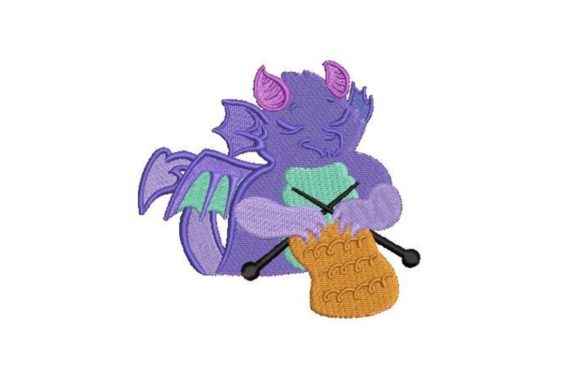
The title Dragon Knitting suggests a whimsical fusion of fantasy and fiber arts. In today’s market, where cottagecore and geek-chic aesthetics are thriving, this combination is potent. The description promises that it will "stitch out beautifully onto any fabric," which is a bold claim, but one that hints at versatility. For a handmade product line, this design feels approachable yet distinctive. It does not scream "high fashion," but it certainly whispers "personalized care." It is the kind of motif that makes a grandma or mom proud because it celebrates traditional crafts with a playful twist.
When evaluating this for a boutique maker or Etsy seller, the immediate question is mood. Is it cute? Is it elegant? Based on the concept, it leans towards charming and decorative. It fits perfectly into a niche of buyers who appreciate the humor of a dragon engaging in a domestic hobby like knitting. This narrative element is crucial for engagement; it gives customers a story to tell when they gift the item.
Product Applications and Visibility
To maximize sales, you must place Dragon Knitting on products where it can be seen and appreciated. Here is how it performs across common small shop product categories:
- Tote Bag Design: A canvas tote is perhaps the best canvas for this motif. The flat surface allows the details to remain crisp. As a focal point on the front panel, it turns a utility item into a statement piece.
- Apron Embroidery: Placing the design on the bib of an apron creates an instant conversation starter at farmers' markets. It signals that the wearer values both function and fun.
- Tea Towel Embroidery: Kitchen linens are high-volume sellers. However, caution is needed here. The texture of waffle weave or terry cloth can distort fine details. Ensure the design is scaled appropriately so the dragon’s features do not get lost in the loops of the towel.
- Embroidered Patch: If the design includes a satin stitch border, it works wonderfully as an iron-on patch. This allows customers to customize their own jackets or bags, expanding your market beyond finished goods.
- Caps and Pouches: Curved surfaces like caps require careful hooping. The design should be small enough to fit the front panel without distorting around the curve. For fabric pouches, it serves as a delightful accent that adds perceived value.
Production Practicality for Batch Selling
For those of us running a commercial embroidery operation, time is money. Dragon Knitting needs to be evaluated for its production efficiency. The description mentions it comes with "multiple em," which likely implies multiple sizes or formats. This is a significant advantage. Having various sizes allows you to use the same digital embroidery file for a large pillow cover and a small coin purse, streamlining your workflow.
However, you must check the stitch density. Dense designs take longer to stitch and use more thread, increasing your cost per unit. If the dragon’s scales are heavily saturated with stitches, consider using a lighter fill or adjusting the underlay for stability. A design that takes twenty minutes to stitch is less viable for a busy craft fair season than one that completes in eight minutes, unless you can charge a premium price for the complexity.
Visual Clarity and Photography
In the digital age, your printable mockup and online photos are your storefront. Dragon Knitting must photograph well. High-contrast thread colors are essential. A dark dragon on a light fabric pops in thumbnails, which is critical for Etsy listings. Avoid low-contrast combinations, such as grey thread on white fabric, unless the lighting is professional-grade. The design should be clear enough that a customer scrolling quickly on a phone can identify the subject matter instantly.
Careful-Use Notes and Technical Considerations
While the promise is that it stitches beautifully on "any fabric," experienced designers know that material matters. Here are critical technical checks before you commit to full production:
- Fabric Texture: Avoid using this design on highly textured fabrics like bouclé or heavy chenille unless you use a topping stabilizer. The tiny details of the knitting needles or dragon eyes may sink into the pile.
- Dark Fabric: If stitching on black or navy, ensure your digitizing includes proper underlay to prevent the fabric from showing through the top stitches. You may need to adjust the pull compensation.
- Small Lettering: If the design includes text, verify its legibility at smaller sizes. Tiny serif fonts often blob together during stitching. Sans-serif or simple block letters are safer for small hoop size applications.
- Stabilizer Selection: Always match your stabilizer to the fabric weight. A cut-away stabilizer is generally safer for stretchy fabrics like tote bag cotton blends to prevent distortion after washing.
Enhancing Brand Consistency and Value
Using Dragon Knitting consistently across your product line builds brand recognition. If a customer buys a tote with this design, seeing it again on a tea towel reinforces your aesthetic. It creates a cohesive look that suggests a thoughtful design assets strategy rather than random decoration. This consistency increases buyer engagement and trust.
Furthermore, the perceived value of a finished product rises when the embroidery looks professional. Clean trims, no bird’s nests on the back, and proper tension are non-negotiable. The design itself is only half the battle; your execution determines whether it feels like a premium handmade item or a cheap souvenir.
Final Designer Recommendations
Before listing Dragon Knitting as a core part of your inventory, follow these steps:
- Test on Scrap Fabric: Never skip the test stitch. Run the design on the exact fabric type you plan to sell.
- Check Thread Contrast: Experiment with different color palettes. A fiery orange dragon might appeal to one demographic, while a pastel blue version might suit another.
- Confirm Licensing: The description mentions it is a machine embroidery design, but always verify the license terms. Ensure you have the right to sell physical items made with the file, especially if you are scaling up your Sewing business.
- Create Real Mockups: Photograph the actual stitched item, not just a digital render. Customers want to see the texture and sheen of the thread.
In conclusion, Dragon Knitting offers a charming narrative that resonates with the current love for handmade and whimsical decor. By paying attention to stitch density, fabric choice, and presentation, you can turn this embroidery file into a bestseller for your next market event. It is a solid choice for anyone looking to add personality to their Embroidery portfolio.