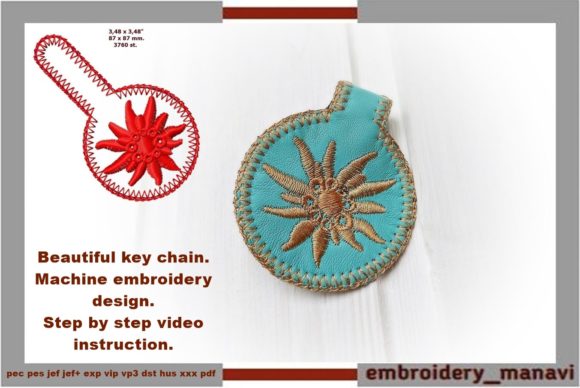
Reviewing Beautiful Key Chain 3 for Branded Merch
As an embroidery designer who has spent years digitizing files and consulting with small business owners, I approach every new machine embroidery design with a critical eye. It is not enough for a pattern to look pretty on a screen; it must perform under the needle, withstand wear and tear, and elevate the brand it represents. Today, I am reviewing Beautiful Key Chain 3. Decor for a Bag, a digital asset that promises versatility for accessories and branded merchandise. This review is tailored for Etsy sellers, boutique owners, apparel decorators, and crafters looking to expand their product lines with high-quality Embroidery assets.
First Impressions: Visual Personality and Brand Fit
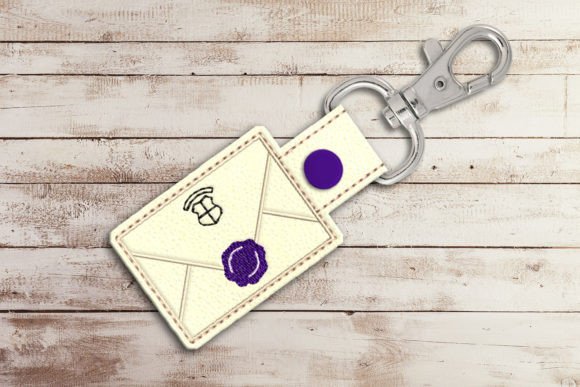
The title and description of Beautiful Key Chain 3. Decor for a Bag suggest a design that is both decorative and functional. In the world of Accessories, the line between utility and aesthetics is thin. A key chain or bag charm is often the first tactile interaction a customer has with a brand. Based on the description of a "beautiful digitized design," this piece appears to lean towards a friendly, handmade aesthetic rather than a stark, corporate logo. This makes it an excellent candidate for businesses that want to project warmth, creativity, and approachability.
For a local bakery, a florist, or a pet brand, this design could serve as a charming accent that reinforces a rustic or playful brand identity. It does not scream "corporate uniform," which is a strength for lifestyle brands. However, for high-end luxury boutiques, one must evaluate if the style aligns with a premium, minimalist image. The "small size" designation implies delicacy, which can read as elegant if executed with precision, or flimsy if the stitch density is too low.
Real-World Business Applications
When I evaluate a digital embroidery file, I immediately brainstorm its application across various touchpoints. Beautiful Key Chain 3. Decor for a Bag is marketed for bags and backpacks, but its potential extends far beyond. Here is how I see this design performing in a commercial setting:
- Branded Patches: This is the most obvious use. Embroidered onto felt or twill, this design can become a standalone patch for tote bags, denim jackets, or canvas organizers. It adds value to a plain product, turning a generic item into a handmade product with perceived higher worth.
- Apron Embroidery: For cafes and creative studios, staff aprons are walking billboards. Placing this design on the chest pocket or lower hem adds a personal touch that customers notice. It softens the professional look without sacrificing cleanliness.
- Tote Bag Design: Canvas totes are staples for retail shops. Using this design as a central motif or a corner accent can differentiate your merch from competitors. Ensure the thread colors contrast well with natural or dyed canvas.
- Cap Embroidery: While described as small, placing this on the side panel or back of a cap can work beautifully. Front placement might be too subtle unless the cap material is very smooth.
- Customer Gifts: As noted in the description, it is an "excellent gift to the friend." Small businesses can use these as loyalty rewards—embroidered onto small pouches or key fobs given to repeat customers.
Technical Considerations for Production
Before running a full batch of commercial embroidery, there are technical hurdles to clear. The description mentions "Small size PES, JEF," which indicates compatibility with major machine brands. However, "small size" is relative. You must confirm the exact hoop size required. If the design is too small, fine details may get lost in the fabric texture. If it is too large for a key chain, it may pucker the material.
Stitch density is another critical factor. For items like key chains or bag charms that undergo frequent handling and friction, a higher stitch count provides durability. However, excessive density on lightweight fabrics can cause puckering. I recommend testing the design on the actual material you intend to use. If you are embroidering on a textured fabric like canvas or denim, the design needs enough boldness to stand out against the weave. On smooth polyester uniforms, finer details will shine.
Always use the proper stabilizer. For flexible items like bag straps or soft patches, a cut-away stabilizer often provides better long-term support than tear-away, preventing the design from distorting over time. Since the file formats provided are PES and JEF, ensure your software can read these natively or convert them without losing data integrity.
Strategic Placement and Caution Areas
While Beautiful Key Chain 3. Decor for a Bag is versatile, there are places where it should be used carefully. Avoid using this design on areas subject to extreme abrasion, such as the bottom corners of heavy-duty backpacks, unless it is reinforced with a dense border. Also, be cautious with dark uniforms. If the design relies on light thread colors, ensure you have high-contrast options available. A muddy appearance due to poor color choice can detract from brand identity.
Additionally, check if the design includes tiny lettering. Small text in embroidery can become illegible if the stitches merge. If the design is purely graphical, this is less of a concern. Always create a printable mockup or a physical sample before committing to a large production run. This allows you to compare it beside other design assets to ensure visual consistency across your product line.
Enhancing Brand Identity and Customer Trust
In the crowded marketplace of small business merch, consistency builds trust. Using a cohesive design element like Beautiful Key Chain 3. Decor for a Bag across different products—from aprons to tote bags—creates a recognizable visual language. Customers begin to associate that specific embroidered look with your quality and style. This recognition drives engagement and can justify a higher price point for your custom apparel and accessories.
Furthermore, offering embroidered add-ons shows attention to detail. It signals that you care about the finished product, not just the base item. This perception of care translates directly into customer loyalty. When a client sees a well-executed embroidery job, they perceive the entire brand as more professional and reliable.
Final Designer Notes and Licensing
Before you purchase and produce, there are housekeeping items to address. The description states, "The embroidery order can be seen in th," which seems cut off. This highlights the importance of verifying the license terms. Does the purchase allow for unlimited commercial use? Are there restrictions on the number of physical items you can sell? Never assume; always read the full license agreement provided by the seller.
My final advice is to test the design in black and white first. This strips away the distraction of color and lets you judge the shape and balance of the stitches. If it looks good in monochrome, it will likely look great in color. Check the spacing between elements to ensure no threads bridge gaps unintentionally. Confirm that the embroidery file scales well if you need to adjust the size slightly for different applications.
Beautiful Key Chain 3. Decor for a Bag offers a promising avenue for adding character to your merchandise. With careful technical preparation and strategic placement, it can become a signature element of your brand’s visual identity, enhancing both the aesthetic appeal and the perceived value of your products.