Heart Hand: A Designer’s Review for Branded Merch
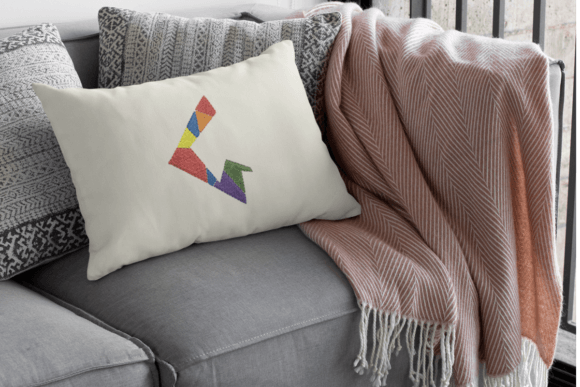
As an embroidery designer who has spent years digitizing logos and creating custom assets for small businesses, I approach every new machine embroidery design with a critical eye. It is not enough for a design to look pretty on a screen; it must perform under the needle, survive industrial washing, and elevate the brand it represents. Recently, I evaluated Heart Hand, a digital asset positioned within the Valentine S Day category but possessing potential far beyond seasonal gifts. This review explores how this specific embroidery file translates from a decorative pillow accent to a powerful tool for brand identity in commercial settings.
First Impressions: Visual Personality and Professional Appeal
The initial visual impact of Heart Hand is warm and inviting. The description highlights its suitability as a gift for loved ones, suggesting a soft, approachable aesthetic. In the context of business branding, this translates to a "friendly" and "handmade" vibe rather than a cold, corporate feel. For boutique owners, creative studios, or local bakeries, this visual personality is an asset. It signals care, attention to detail, and a human touch.
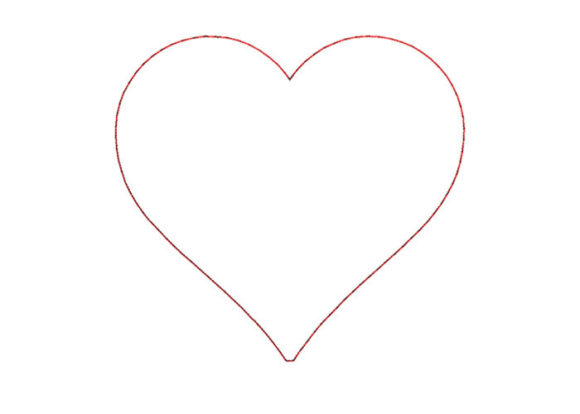
However, professional application requires us to look past the surface charm. Does the design hold up when scaled down? Is the line work clean enough for an embroidered patch? Based on the concept of a heart held by a hand, the design likely relies on clear outlines and distinct shapes. This simplicity is crucial for machine execution. Complex gradients or tiny details often fail in production, but a strong silhouette like Heart Hand typically offers better durability and readability, which are essential for small business merch.
Real-World Applications for Small Business Owners
While the product description mentions pillows, restricting Heart Hand to home decor ignores its versatility in commercial embroidery. Here is how I envision this design performing across various merchandise categories:
- Staff Uniforms and Aprons: For cafes, florists, or pet grooming shops, placing Heart Hand on the chest pocket of an apron embroidery project creates an immediate emotional connection with customers. It suggests that the staff handles products—and customers—with care.
- Caps and Headwear: Cap embroidery presents unique challenges due to curved surfaces. If the design is compact, it works beautifully as a front-center logo or a side accent. The symbolic nature of the design reinforces brand values without needing text.
- Tote Bags and Packaging: As a tote bag design, this motif appeals to the eco-conscious shopper who values artisanal quality. It transforms a simple canvas bag into a branded statement piece that customers are proud to reuse.
- Etsy Branding and Product Labels: Handmade sellers can use this as a woven label alternative or a sewn-in tag for their handmade product lines. It adds a layer of perceived value and professionalism to otherwise simple goods.
Technical Considerations and Production Challenges
Before running a full production batch, any serious decorator must address technical variables. The product description notes that Heart Hand comes with multiple digital embroidery file formats, which is standard and necessary for compatibility with different machines. However, several factors require your attention:
Stitch Density and Fabric Texture
The success of any design depends heavily on stitch density. If the design is too dense, it can cause puckering, especially on lighter fabrics like cotton tote bags or delicate blouse materials. Conversely, if it is too sparse, the backing fabric may show through, ruining the professional look. I recommend testing Heart Hand on the exact fabric texture you intend to use. For textured materials like terry cloth towels or heavy denim, you may need to adjust pull compensation or add an extra layer of stabilizer.
Size Constraints and Legibility
When using this design for small patches or sleeve details, scale is critical. Intricate connections between the hand and heart elements might merge if stitched too small. Always create a printable mockup at actual size to check for clarity. If the design includes fine lines, ensure they meet the minimum width requirements for your specific needle and thread combination.
Color Contrast and Thread Selection
Since Heart Hand is associated with Valentine S Day, reds and pinks are obvious choices. However, for year-round custom apparel, consider your brand palette. Does the design work in monochrome? Testing the design in black and white first is a pro tip. If it loses definition without color, the digitizing may rely too heavily on hue rather than shape. Ensure high contrast between the thread colors and the garment to maintain visibility from a distance.
Enhancing Brand Identity and Customer Trust
In today’s market, consumers buy stories as much as they buy products. Using a symbol like Heart Hand communicates empathy and service. For a local business, this builds trust. It moves the brand away from generic mass production and toward a curated, thoughtful experience. When customers see consistent use of this design across your design assets—from uniforms to packaging—it reinforces visual consistency.
This consistency drives recognition. A well-executed finished product featuring this embroidery becomes a walking advertisement. Whether it is a barista wearing an embroidered apron or a customer carrying a branded tote, the design serves as a silent ambassador for your business values.
Practical Steps Before Commercial Use
To ensure Heart Hand meets your business standards, follow this checklist before committing to large runs:
- Verify Licensing: Confirm the license terms included with the file. Ensure it allows for commercial use on items for sale, not just personal gifts.
- Check Hoop Size Compatibility: The description does not specify exact dimensions. Measure your available hoop size and compare it with the design’s maximum dimensions to ensure it fits your equipment.
- Run Test Stitches: Never skip the test phase. Stitch out the design on scrap fabric identical to your production material. Check for thread breaks, nesting, or registration issues.
- Create Client Mockups: If you are designing for a client, present a realistic printable mockup showing the design on their specific garment. This manages expectations and reduces revision rounds.
- Evaluate Wash Durability: Wash and dry the test sample multiple times. Check for shrinkage, thread fraying, or distortion. A professional embroidery file should withstand regular care without losing integrity.
In conclusion, Heart Hand offers more than just seasonal charm. With careful technical evaluation and strategic placement, it serves as a versatile asset for small business merch. By focusing on quality execution and brand alignment, embroidery professionals can turn this simple design into a significant value-add for their clients’ products.