Howdy: A Western Embroidery Design Review for Makers
When I first loaded the Howdy machine embroidery design into my digitizing software, I wasn’t just looking at lines and nodes; I was visualizing the final product. As a designer who has spent years troubleshooting stitch-outs and refining client projects, I approach every new embroidery file with a critical eye. Does it hold up under scrutiny? Will it survive the wash? More importantly, does it tell a story that resonates with the end buyer? This particular design, rooted in a distinct western rodeo aesthetic, offers a compelling blend of rustic charm and modern versatility that deserves a closer look before you commit it to fabric.
First Impressions and Visual Personality
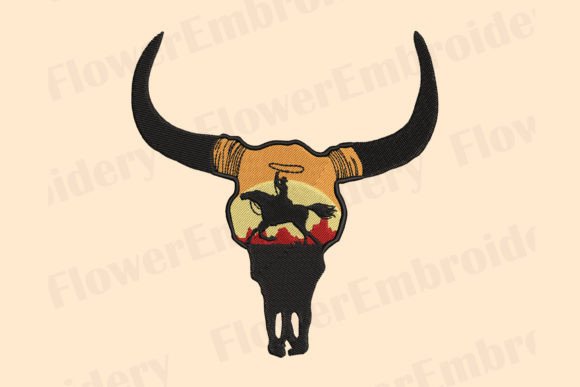
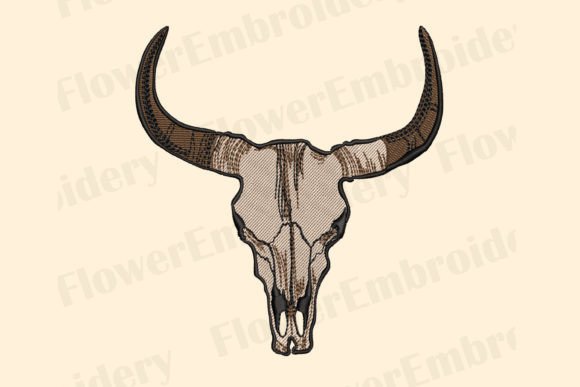
The immediate mood created by Howdy is warm, inviting, and unmistakably Americana. It captures that specific niche where farmhouse decor meets rugged outdoor living. The layout feels balanced, avoiding the clutter that often plagues themed designs. For an Etsy seller or craft business owner, this visual clarity is crucial. Customers scrolling through digital marketplaces need to understand the product instantly. The design’s personality suggests durability and comfort, making it an ideal candidate for items meant to be used daily rather than just displayed.
In terms of detail level, the design strikes a smart middle ground. It is intricate enough to look professional and high-value but not so dense that it becomes a nightmare to stitch out on textured materials. This balance is vital when working with varied fabric textures, from coarse canvas tote bags to softer cotton blends used in baby items.
Real-World Application: The Custom Tote Test
To truly evaluate Howdy, I imagined a real-life scenario: preparing a custom order for a local boutique selling handmade goods. The client wanted a line of durable canvas tote bag designs for a fall harvest festival. I selected a natural, unbleached canvas to let the thread colors pop. The western theme fit perfectly with the seasonal vibe, appealing to customers looking for unique, personalized gifts that feel authentic rather than mass-produced.
During the mockup phase, I tested the design against various backgrounds. On light fabrics, the contrast was sharp, allowing the satin stitch elements to define the edges clearly. However, when I simulated the design on a dark navy hoodie, I realized the importance of checking thread color contrast. A standard black thread would disappear, so I adjusted the palette to include metallic golds and deep browns to maintain visibility. This step is essential for any commercial embroidery project where brand consistency and visual appeal drive sales.
Versatility Across Product Lines
One of the strongest assets of this embroidery project is its adaptability. While it shines on farmhouse decor like pillow covers and kitchen towels, its potential extends further. Consider these applications:
- Custom Apparel: Perfect for sweatshirt embroidery on oversized hoodies or denim vests, adding a touch of personality without overwhelming the garment.
- Accessories: Works beautifully as an embroidered patch on caps or beanies, provided the hoop size accommodates the curvature.
- Home Goods: Ideal for tea towels and aprons, where the rustic theme enhances the kitchen’s aesthetic.
- Nursery Decor: With softer pastel thread choices, it can transition into gentle baby embroidery for blankets or bibs, though care must be taken with stitch density on delicate fabrics.
Technical Considerations for Stitch-Out Success
Before running Howdy on your main production machine, there are practical steps every designer should take. First, always test the design on scrap fabric that matches your final material. This allows you to check the stitch density and ensure there is no puckering. If you are working with stretchy fabrics like jersey knits for t-shirts, using the correct stabilizer is non-negotiable. A cut-away stabilizer often provides the necessary support for repeated washing, which is critical for custom apparel intended for daily wear.
Pay close attention to small details. If the design includes tiny lettering or fine lines, verify that your machine can handle them at the chosen scale. Dense stitch areas can cause thread breaks or needle deflection, especially on layered garments. I recommend reviewing the design in black and white mockups to identify potential contrast issues before threading up. This simple trick saves time and materials, ensuring your finished product looks polished.
Navigating Fabric and Hoop Constraints
While Howdy is versatile, it requires careful placement on certain surfaces. Curved items like caps demand precise hooping to prevent distortion. Similarly, thin fabrics may require additional topping or stabilizer to prevent the stitches from pulling the material. Always confirm the hoop size compatibility with your specific machine model. Although the description mentions suitability for various items, exact dimensions and file formats are not specified here, so you must verify these technical details with the provider before purchase.
For those interested in the cultural roots of the aesthetic, the design’s connection to Mexico and broader western traditions adds depth. Understanding this context can help you market the item more effectively, appealing to buyers who appreciate authentic, culturally inspired design assets. However, ensure that your use of the design respects any licensing terms, especially if you are selling digital embroidery files or finished commercial products.
Enhancing Brand Value and Customer Trust
Using a well-executed design like Howdy can significantly boost the perceived value of your small shop product. High-quality stitching signals professionalism, building trust with customers who are increasingly discerning about handmade quality. When buyers see clean edges, consistent tension, and thoughtful color choices, they are more likely to engage with your brand and return for future purchases.
For Etsy sellers and creative entrepreneurs, this design serves as a strong foundation for creating cohesive collections. You can pair it with complementary fonts or motifs to create a unified look across your inventory. Whether you are producing holiday embroidery for Christmas gifts or everyday items for boutique branding, the key is consistency. Use printable mockups to showcase the design in lifestyle settings, helping customers visualize how it will look in their homes or wardrobes.
Final Verdict for Designers
In conclusion, Howdy is a robust and versatile addition to any designer’s library. It offers a genuine western rodeo look that translates well across multiple product categories, from home decor to apparel. Its success lies in its balanced detail level and thematic appeal. However, like any machine embroidery design, its outcome depends on the skill and preparation of the operator. By testing on scrap fabric, choosing appropriate stabilizers, and verifying technical specifications, you can ensure a high-quality result that delights customers and strengthens your brand.
Remember to always check the licensing agreement before using this design for commercial purposes. Whether you are creating a single personalized gift or a large batch of merchandise for a craft fair, attention to detail will set your work apart. Embrace the rustic charm of Howdy, but back it up with professional execution to create truly standout embroidery pieces.