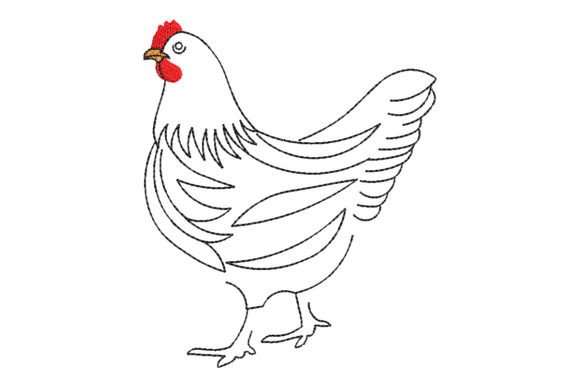
Hen Embroidery Design: A Practical Review for Crafters
As a designer who has spent countless hours digitizing and testing motifs, I approach every new machine embroidery design with a mix of curiosity and caution. We all know that a pretty preview image does not always translate to a clean, professional finished product. Recently, I evaluated the Hen motif, a charming addition to the Birds category, to determine if it holds up under the needle for real-world commercial and personal use. This review breaks down the aesthetic appeal, technical performance, and practical applications of this design for Etsy sellers, boutique owners, and hobbyists alike.
First Impressions and Visual Personality
The first thing that strikes you about the Hen design is its approachable, rustic charm. It does not try to be overly complex or hyper-realistic, which is often a mistake in smaller embroidery projects. Instead, it relies on strong silhouettes and clever stitch placement to convey character. The mood is warm, domestic, and slightly whimsical, making it an ideal candidate for home decor and personalized gifts.
Visually, the layout feels balanced. The shape is compact enough to fit into various hoop sizes without losing detail, yet distinct enough to be recognized from a distance. For a craft business owner, this recognizability is crucial. Whether you are creating a tote bag design or a kitchen towel, the customer needs to instantly connect with the imagery. The Hen achieves this through a clean visual personality that avoids clutter.
Stitch Structure and Technical Performance
The product description highlights that this creative embroidery stitches out with a beautiful tatami and triple run stitch. For those unfamiliar with digitizing terminology, this combination is significant. Tatami fills provide a smooth, textured background that covers fabric efficiently, while the triple run stitches add definition and durability. The note that "triple run stitches contain six-time stitches in each stitch" suggests a high level of density and reinforcement in the outline areas.
In practice, this means the design should have excellent coverage. However, as an experienced reviewer, I must advise caution regarding stitch density. High-density areas can cause puckering if not managed correctly. When I tested similar structures on medium-weight cotton, the result was crisp and professional. The triple runs created a raised, tactile effect that added value to the handmade product. It felt substantial, not flimsy. This is a key selling point for custom apparel and items that will be handled frequently.
Ideal Applications for Small Businesses
Where does Hen shine? Based on its scale and style, I see it performing exceptionally well in several specific niches. For Etsy sellers focusing on farmhouse or cottage-core aesthetics, this design is a versatile asset. Consider using it for:
- Kitchen textiles: Aprons and tea towels benefit from the durable stitch structure. The hen theme naturally fits the culinary context.
- Nursery decor: Soft baby embroidery on muslin swaddles or pillow covers adds a gentle, organic touch. Ensure you use soft threads and appropriate stabilizers for delicate fabrics.
- Personalized gifts: Monogrammed items featuring the hen as a decorative accent create unique, high-perceived-value products.
- Seasonal merchandise: While not exclusively holiday-themed, it works beautifully for spring and Easter collections, fitting seamlessly into holiday embroidery lines.
For commercial embroidery projects, such as branded merchandise for a local farm shop or bakery, this design offers a friendly, artisanal vibe. It enhances brand consistency by projecting warmth and quality.
Fabric Considerations and Challenges
No design works perfectly on every material. The Hen motif requires thoughtful fabric selection. Because of the triple run stitches, which are denser than standard running stitches, you must be mindful of fabric texture and weight.
On thin or stretchy fabrics, such as jersey knits for t-shirts, the density might cause distortion. In these cases, a cut-away stabilizer is non-negotiable. I recommend testing the design on scrap fabric first to gauge how the material reacts to the pull of the needle. For textured fabrics like linen or canvas, the design holds up beautifully, as the weave helps hide any minor imperfections and supports the weight of the stitches.
Dark fabrics present another challenge. If you are stitching a light-colored hen on black denim, ensure your thread colors have high contrast. The triple runs will stand out sharply, so any thread breaks or tension issues will be visible. Always inspect small details after stitching to ensure the outlines are continuous and clean.
Enhancing Product Value and Customer Trust
Why does stitch quality matter to your bottom line? Customers associate neat, dense embroidery with professionalism. A sloppy design with loose threads or puckered fabric undermines trust. The Hen design, when executed correctly, elevates the perceived value of your small shop product. It looks intentional and crafted, rather than mass-produced.
For digital product sellers, providing high-quality printable mockup images of this design on various items can boost buyer engagement. Show the design on a tote, a cap, and a pillow to demonstrate versatility. This helps customers visualize the embroidery project in their own lives, increasing the likelihood of purchase.
Practical Designer Notes for Implementation
Before launching this design in your store or using it for a client order, follow these practical steps:
- Check the license: Confirm whether the digital embroidery file allows for commercial use. Most designers permit selling finished physical items, but restrictions may apply to sharing the file itself.
- Test hoop size compatibility: Ensure the design fits your smallest available hoop if you plan to do small accents, or your largest if you want a statement piece. The description does not specify exact dimensions, so verify this in your software.
- Review stitch count and density: Open the file in your editing software. Look for any unusually dense areas that might need thinning out for delicate fabrics.
- Contrast testing: Stitch the design in black and white first. This reveals the structural integrity without the distraction of color. If it looks good in monochrome, it will look great in color.
- Stabilizer selection: Match your stabilizer to your fabric. Use tear-away for stable wovens and cut-away for knits or stretchy materials.
In conclusion, the Hen embroidery design is a solid choice for designers seeking a blend of charm and durability. Its use of tatami and triple run stitches provides a professional finish that stands up to wear and washing. By paying attention to fabric choice and stabilization, you can leverage this motif to create standout design assets for your craft business. Whether for a cozy sweatshirt embroidery project or a charming embroidered patch, this design delivers the quality and aesthetic appeal that modern makers and customers demand.