Funny Bee: A Designer’s Review for Small Business Merch
As an embroidery designer who has spent years digitizing and testing files for commercial use, I approach every new machine embroidery design with a critical eye. It is not just about whether a motif looks cute on a screen; it is about how it performs in the real world of small business merchandise. Today, I am reviewing Funny Bee, a charming addition to the Bugs category that promises to give fabrics an extraordinary look. For shop owners, Etsy sellers, and apparel decorators, this review breaks down whether this design is ready for your next production run.
First Impressions: Visual Personality and Brand Fit
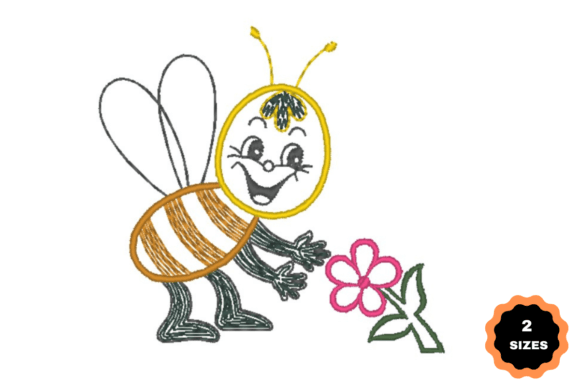
The title Funny Bee immediately sets a tone. It suggests a playful, approachable aesthetic rather than a rigid or corporate one. When I visualize this design based on its description as an adorable embroidery piece, I see immediate potential for brands that want to project warmth and friendliness. This is not a design for a law firm, but it is perfect for a local bakery, a pet grooming studio, a florist, or a creative co-working space.
The description notes that this embroidery file comes with multiple versions, which is a crucial detail for professional use. Versatility is key when you are working with different garment types. A design that can scale from a small chest logo to a larger back patch without losing integrity is a valuable asset in your library of design assets. The "lovely" nature of the design implies soft lines and inviting shapes, which can soften the look of industrial uniforms or add a handmade touch to retail packaging.
Real-World Applications for Small Business Merch
Let us move beyond theory and look at how Funny Bee performs in actual commercial embroidery projects. Here are several high-value applications where this design could drive engagement and sales:
- Embroidered Patches: This is perhaps the strongest use case. A well-digitized bee design makes for an excellent iron-on or sew-on patch. You can sell these as standalone products or use them to upgrade plain tote bags and denim jackets.
- Staff Uniforms and Aprons: For cafes and boutiques, staff appearance is part of the brand experience. Embroidering Funny Bee on the chest pocket of an apron adds a personal touch that customers notice. It signals attention to detail and care.
- Cap Embroidery: Caps are tricky due to the curved surface and limited space. If the design includes a simplified version, it can work beautifully on the front panel of a dad hat or trucker cap, serving as a subtle brand marker.
- Tote Bag Design: Canvas totes are a staple for eco-friendly brands. A central placement of this bee motif can turn a generic bag into a desirable accessory, increasing the perceived value of the handmade product.
- Customer Gifts: Small businesses often look for low-cost, high-impact thank-you gifts. A small embroidered bee on a napkin, pouch, or keychain can create a memorable unboxing experience.
Technical Considerations and Production Risks
While the aesthetic appeal is clear, any experienced embroiderer knows that beauty must be balanced with technical feasibility. Before you load this digital embroidery file into your machine for a large batch, there are critical factors to evaluate.
First, consider stitch density. Adorable designs sometimes rely on fine details to convey expression. If the stitch count is too high for the size, the fabric may pucker, especially on lightweight materials like cotton tees or silk scarves. Conversely, if the density is too low, the backing fabric might show through, ruining the premium look. Always check the recommended hoop size against your machine’s capabilities. The description mentions multiple formats, but you must confirm which specific hoop dimensions are supported to avoid resizing errors that distort the bee’s proportions.
Second, think about thread colors and contrast. A bee typically involves yellow, black, and perhaps white or brown. On dark uniforms, such as navy or black chef coats, you must ensure the design has enough light-colored stitching to remain visible. If the design relies on subtle shading, it may get lost on textured fabrics like terry cloth towels or heavy canvas. Test the design on the exact fabric texture you plan to use. A test run on a scrap piece of material is non-negotiable for professional results.
Third, placement matters. For custom apparel like caps, the curvature can cause gaps in satin stitches if the design is too wide. For apron embroidery, consider where pockets or seams might interfere with the hoop. Always map out the placement before committing to production.
Impact on Brand Identity and Customer Trust
Why does a simple bee matter? In the crowded marketplace of small business merch, consistency builds trust. Using a cohesive visual element like Funny Bee across your small business merch creates a recognizable brand identity. When a customer sees the same quality embroidery on their tote bag, their barista’s apron, and their loyalty card holder, it reinforces professionalism.
Moreover, high-quality embroidery signals durability. Unlike printed graphics that crack and fade, stitched designs last. This longevity enhances the perceived value of your finished product. Customers are more likely to keep and use items that feel substantial and well-crafted. This design, if executed well, can become a signature mark that distinguishes your brand from competitors using generic print-on-demand services.
Practical Designer Notes for Implementation
To ensure success with Funny Bee, follow these practical steps before launching your campaign:
- Test in Monochrome: Before committing to multi-color threads, stitch the design in black thread on white fabric. This reveals the structural integrity of the digitizing and highlights any spacing issues.
- Check Scaling Limits: Determine the minimum size at which the design remains legible. If you plan to use it as a small label or tag, ensure the details do not merge into a blob.
- Use Proper Stabilizer: Match your stabilizer to the fabric weight. Cut-away stabilizer is often best for stretchy knits, while tear-away works for stable wovens. Incorrect stabilization is the number one cause of poor embroidery quality.
- Create a Printable Mockup: Use digital tools to place the design on photos of your actual products. This helps clients visualize the final look and approves the aesthetic before you waste thread and time.
- Verify Licensing: The description states it is a machine embroidery design, but always confirm the license terms. Ensure you have the right to use it for commercial purposes, especially if you are selling the embroidered items rather than giving them away.
In conclusion, Funny Bee offers a delightful opportunity for small businesses to add personality to their merchandise. By respecting the technical constraints of commercial embroidery and strategically placing the design on appropriate items, you can create products that not only look great but also strengthen your brand’s connection with customers. Always prioritize quality control, and let this charming bug help your business buzz with new energy.