Night in the Forest: A Designer’s Review
As a designer who has spent countless hours digitizing and stitching thousands of patterns, I approach every new machine embroidery design with a mix of curiosity and skepticism. We have all seen files that look stunning on a screen but turn into a tangled mess under the needle. When I first loaded Night in the Forest into my software, I was looking for more than just aesthetic appeal; I wanted to know if it would hold up in a real-world production environment. This review breaks down how this specific embroidery file performs when moved from digital preview to physical finished product.
First Impressions and Visual Mood
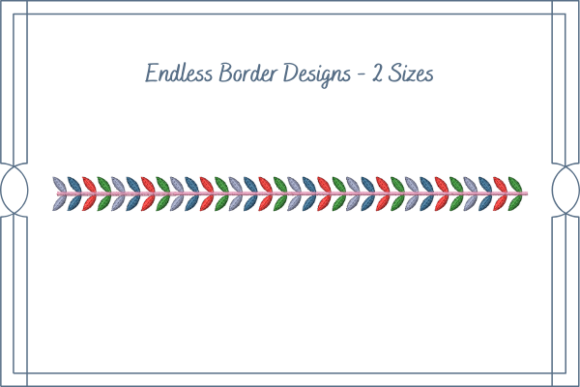
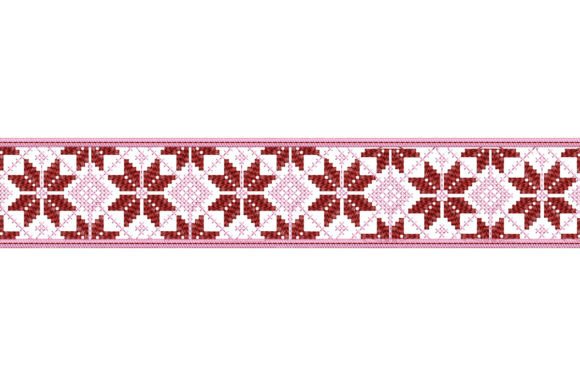
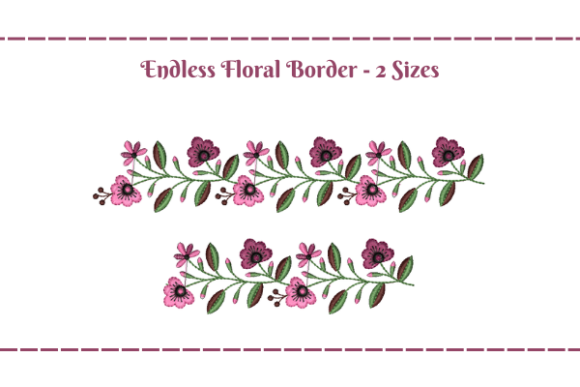
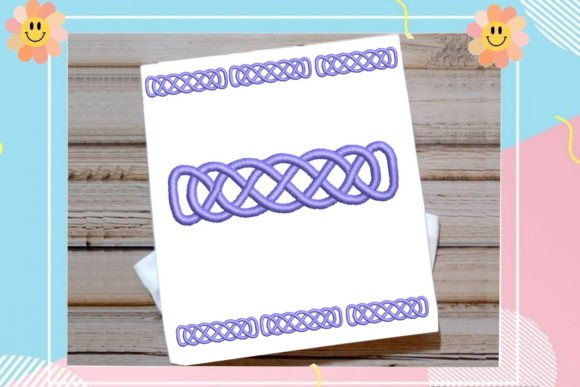
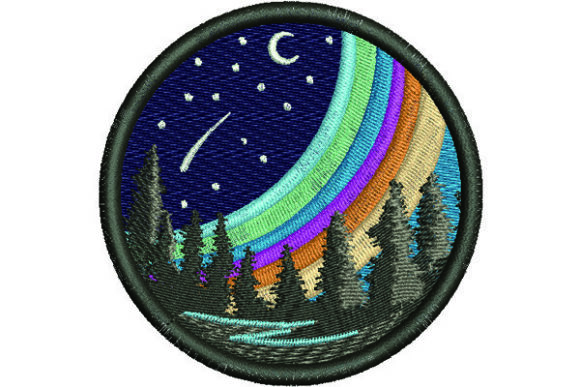
The immediate impression of Night in the Forest is one of serene elegance. It does not scream for attention with chaotic lines or excessive density. Instead, it offers a balanced composition that feels organic and grounded. As a Borders category item, it serves as a framing element rather than a central focal point, which changes how we must approach its placement. The design creates a mood of quiet sophistication, making it ideal for projects where subtlety is valued over flashiness.
The visual personality of the piece suggests a connection to nature, but stylized enough to fit modern decor. For an Etsy seller or craft business owner, this versatility is crucial. It is not so rustic that it alienates contemporary buyers, nor so modern that it loses its warmth. The layout allows for easy integration into various design assets, whether you are creating a printable mockup for your online store or planning a physical sample for a craft fair.
Real-World Application: The Tote Bag Test
To truly evaluate any embroidery project, I believe in testing it on a functional item. I chose a heavy-weight canvas tote bag design for my test run. Canvas provides a stable base, but it also reveals issues with stitch pull and registration. I selected a deep charcoal thread to mimic the "night" theme against a natural beige fabric. The result was striking.
The design stitched out cleanly, with the satin stitch elements providing a nice sheen that contrasted well with the matte texture of the canvas. Because Night in the Forest is described as fun and easy to stitch, I found the runtime to be reasonable, which is vital for small batch production. If you are running a small shop product line, time is money. A design that stitches quickly without sacrificing quality allows for better profit margins.
This same logic applies to sweatshirt embroidery. When placed on the hem or sleeve of a crewneck, the border design adds a custom touch without overwhelming the garment. It transforms a basic blank into a personalized gift or boutique-ready item. Customers often perceive border designs as higher value because they suggest a tailored, finished look, similar to high-end retail branding.
Technical Considerations for Stitchers
While the design is user-friendly, professional results require attention to technical details. Since this is a machine embroidery design intended for various fabrics, understanding stitch behavior is key. The description notes it looks gorgeous on any fabric, but experienced stitchers know that "any fabric" requires different preparations.
- Stabilizer Selection: For stretchy fabrics like jersey or fleece, a cut-away stabilizer is non-negotiable to prevent distortion. For woven fabrics like linen or cotton, a tear-away may suffice, but always test first.
- Thread Colors: The mood of Night in the Forest relies heavily on contrast. On dark fabrics, consider using metallic or variegated threads to ensure the design does not disappear. On light fabrics, deep blues, purples, or blacks will provide the necessary definition.
- Hoop Size: Always confirm your hoop size compatibility before starting. Border designs can be tricky if they extend beyond the hoop boundaries or if the machine struggles with large jump stitches. Check the specific dimensions in your file package.
I also recommend reviewing the stitch density in your software. If the design feels too dense for lightweight fabrics, you might need to adjust the pull compensation or use a lighter weight thread to reduce bulk. This is particularly important for baby embroidery items, where softness and comfort are paramount. A dense border on a onesie could feel scratchy against sensitive skin.
Challenges and Where to Use Caution
No design is perfect for every scenario. While Night in the Forest is versatile, there are areas where caution is advised. Curved surfaces, such as caps or hats, present a challenge for border designs. The curvature can distort straight lines or cause gaps in the stitching. If you plan to use this on headwear, ensure you are using a cap frame and appropriate stabilizers to maintain shape.
Additionally, be mindful of textured fabrics like terry cloth or heavy wool. Fine details in the design might get lost in the pile of the fabric. In these cases, a simpler version of the design or a larger scale might be necessary to maintain clarity. For commercial embroidery projects involving frequent washing, such as kitchen towels or aprons, ensure that the thread colors are colorfast and that the stitching is secure to prevent unraveling.
Enhancing Brand Value and Customer Trust
For digital product sellers and creative entrepreneurs, the quality of your design directly impacts your brand reputation. Using a high-quality file like Night in the Forest signals professionalism. When customers see clean, well-executed stitching, they trust the maker. This trust translates into repeat business and positive reviews.
Incorporating this design into your holiday embroidery collection or seasonal offerings can boost engagement. Its elegant nature makes it suitable for wedding gifts, nursery decor, or sophisticated home accents. By offering products that feature this design, you elevate the perceived value of your handmade product. It moves beyond simple craft into the realm of curated design.
Final Verdict and Practical Advice
Before committing to a large production run, always stitch a test sample on scrap fabric identical to your final material. This allows you to check for any potential issues with tension or registration. Compare the result on both light and dark backgrounds to determine the best thread palette for your target market.
Remember to verify the licensing terms provided with the digital embroidery file. Ensure you are compliant with usage rights for selling finished products or using the design in commercial contexts. Assuming rights without confirmation can lead to legal issues for your craft business.
In conclusion, Night in the Forest is a solid addition to any designer’s library. It balances aesthetic appeal with practical stitchability. Whether you are creating a custom embroidered patch, decorating a pillow cover, or launching a new line of custom apparel, this design offers the flexibility and elegance needed to succeed. It is a tool that, when used with skill and care, can help you create beautiful, marketable items that resonate with customers.