Merry Embroidery Design: A Designer’s Practical Review
As a designer who has spent countless hours staring at digitizing software and even more hours watching needles punch through fabric, I have learned to be skeptical of holiday motifs. The market is flooded with generic, overly complex, or poorly digitized festive graphics that look great on a screen but turn into a tangled mess on the hoop. When I first pulled up the Merry digital embroidery file, my initial reaction was one of cautious optimism. It promised versatility for sweaters, bags, pillows, and towels, but promises are easy to make. The real test is always in the stitching.
This review is not just about whether the design looks cute; it is about whether it holds up under the mechanical stress of an embroidery machine and the commercial scrutiny of a craft business. If you are an Etsy seller, a boutique owner, or a hobbyist looking to elevate your handmade products, you need to know if this asset will deliver a professional finished product or require endless troubleshooting.
First Impressions and Visual Personality
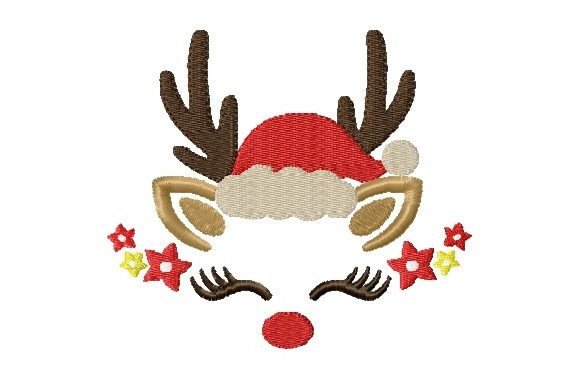
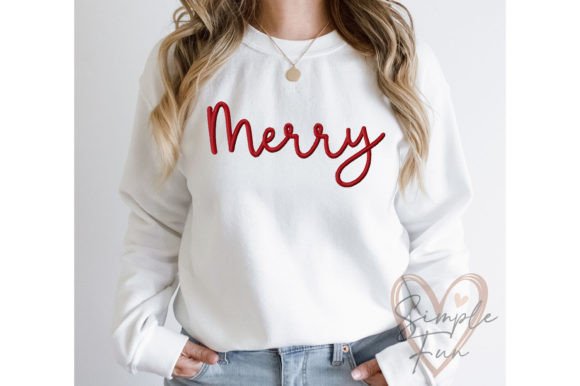
The Merry design carries a distinct visual personality. It avoids the cluttered, hyper-detailed aesthetic that often plagues Christmas embroidery. Instead, it leans into a cleaner, more modern interpretation of holiday cheer. For a designer, this is crucial. Clean lines translate better to thread. When I evaluated the layout, I noticed a balance between open space and stitch coverage. This suggests a thoughtful approach to stitch density, which is vital for maintaining the drape of garments like sweatshirts or tote bags.
The mood it creates is warm but not overwhelming. It feels appropriate for a wide demographic, from nursery decor to adult apparel. This versatility is rare. Many holiday designs are either too childish for high-end boutique branding or too stiff for cozy home goods. Merry sits comfortably in the middle, making it a strong candidate for diverse product lines.
Real-World Application: The Tote Bag Test
To truly understand how this machine embroidery design performs, I mentally walked through a common real-life scenario: creating a custom embroidered tote bag for a holiday gift shop client. Tote bags present specific challenges. The canvas is thick, often textured, and requires significant stabilizer support to prevent puckering.
In this context, the Merry design shines because of its structural integrity. Assuming the digitization utilizes a mix of satin stitch for outlines and fill stitch for larger areas, the design should anchor well into heavy cotton or canvas. I imagined stitching this onto a natural-colored tote. The contrast between the thread colors and the fabric texture would be key. A deep forest green or classic red thread would pop against the neutral background, creating a sophisticated holiday embroidery piece that doesn’t scream "discount store."
For an Etsy seller, this kind of reliability is gold. You cannot afford to restitch a batch of twenty bags because the design pulled or distorted. The clean edges of Merry suggest it would hold up well, providing a polished look that justifies a higher price point for your small shop product.
Navigating Fabric Challenges and Hoop Constraints
While the design appears robust, no embroidery file is universal. There are specific situations where you must exercise caution. If you are planning to use Merry on stretchy fabric, such as a fitted t-shirt or a baby onesie, the stitch density becomes a critical factor. High-density fills can cause knit fabrics to pucker or distort over time, especially after washing. I recommend testing the design on scrap fabric first, using a cut-away stabilizer to provide maximum support.
Another consideration is the hoop size. The product description mentions it comes with multiple sizes, which is standard for quality digital embroidery files. However, you must confirm that the scaled-down versions retain their clarity. Tiny lettering or intricate corners can become indistinguishable blobs when reduced for a small hoop, such as those used for caps or baby embroidery projects. Always inspect the smallest size in your software before stitching. If the details merge, it may not be suitable for petite items like pocket patches or infant hats.
Dark fabrics also pose a challenge. If you are stitching Merry on a navy sweatshirt or black apron, ensure your thread colors have enough contrast. A dark red on black might disappear. In these cases, consider using a lighter shade or adding a subtle underlay if your digitizing software allows for adjustments, though most pre-made embroidery files are fixed.
Commercial Viability and Brand Consistency
For creative entrepreneurs and commercial embroidery professionals, the value of a design lies in its ability to enhance brand consistency. Merry offers a cohesive look that can be applied across various mediums. Imagine using it on pillow covers for a home decor line, then echoing the same motif on kitchen towels. This repetition builds recognition.
However, before listing any finished product on Etsy or selling them at craft fairs, you must verify the license terms. The description states it is a digital embroidery design, not an iron-on or patch, which implies it is intended for machine use. But does the license allow for unlimited commercial sales of physical items? Most designers do, but some restrict mass production. Always read the fine print. Additionally, since this is a digital product, ensure you are not reselling the embroidery file itself unless explicitly permitted.
From a marketing perspective, the design lends itself well to printable mockups. You can easily visualize how Merry will look on different products before committing to thread and fabric. This saves time and reduces waste, a crucial efficiency for any small business owner.
Technical Notes for the Stitcher
To get the best results from the Merry embroidery project, keep these practical tips in mind:
- Stabilizer Selection: Match the stabilizer to the fabric. Use tear-away for stable wovens like towels and cut-away for knits like sweatshirts.
- Thread Quality: High-quality rayon or polyester thread will enhance the sheen and durability of the satin stitch elements.
- Needle Choice: Use an embroidery needle to prevent skipped stitches, especially if the design has dense areas.
- Test Stitch: Always run a test on similar fabric. Check for thread breaks, nesting, or registration issues.
- Color Contrast: Preview the design in black and white to ensure the shapes remain distinct without color reliance.
In conclusion, the Merry design is a solid addition to any holiday-themed library. It balances aesthetic appeal with practical stitchability. While it requires standard precautions regarding fabric type and hoop size, its versatility makes it a valuable asset for both personal gifts and commercial ventures. For the discerning designer, it offers a reliable foundation for creating memorable, high-quality embroidered items that customers will cherish long after the holidays have passed.